What Is Insoya? The Truth About This “Soy Superfood” (and Why the B12 Claim Is Wrong)
Search “insoya” and you’ll find a cluster of articles calling it everything from a fermented soy product to textured vegetable protein to a broad “modern soy innovation concept.” A few even admit outright that it has no single, officially recognized meaning. That inconsistency matters, especially because some of these articles make a nutritional claim — that insoya provides vitamin B12 — that isn’t accurate for soy-based foods in general. This guide separates what’s actually verifiable about soy nutrition from the invented specifics attached to “insoya” as a branded-sounding term.
The Short Answer
“Insoya” doesn’t have a single, standardized, or regulatory-recognized meaning. Different sources describe it as fermented soy, soy chunks, soy protein powder, or a general marketing concept for “modern” soy products — with no consistent definition across any of them. It appears to function more as a loosely used web term than an actual established food category. Separately, and more importantly: the claim that insoya (or soy generally) provides vitamin B12 is not accurate. Soy foods don’t naturally contain meaningful B12 unless a specific product is fortified, and no source makes a verifiable fortification claim.
What the Existing “Insoya” Articles Actually Claim
Looking across current coverage, the definitions genuinely conflict:
- Some describe insoya as obtained specifically through fermentation of soybeans.
- Others describe it as textured vegetable protein, soy chunks, or defatted soy flour — a mechanically processed product, not a fermented one.
- One source explicitly states insoya “has no single officially recognised meaning” and notes it has also been used in unrelated contexts, including gaming.
- Another frames it as a broad marketing concept representing “modern soy innovation” in general, rather than any specific product.
- Several note that nutrition figures attached to insoya vary by source, with no verified nutrition table applying consistently across everything called by that name.
This is a meaningfully different situation from a standard soy product like tofu, tempeh, or soy milk, each of which has a specific, consistent production method and identity recognized across food science and regulatory sources.
Why the Inconsistency Matters
Established food terms — tofu, tempeh, edamame, textured vegetable protein — have consistent definitions because they’re tied to specific, documented production processes. Tofu is coagulated soy milk pressed into blocks. Tempeh is whole soybeans fermented with a specific mold culture. These aren’t debatable.
“Insoya” doesn’t show this consistency anywhere in current coverage. That pattern — a food-sounding term with no fixed production method, no consistent nutrition profile, and no regulatory or scientific recognition — is a sign of a loosely applied marketing or content term rather than a genuine, standardized food category.
What’s Genuinely True About Soy Nutrition
To be clear, none of this means soy itself is questionable — soy is one of the most well-studied plant proteins available, and the genuine nutritional facts are worth knowing:
- Soy protein is a complete protein, containing all nine essential amino acids the body needs from food — a real distinction most plant proteins don’t share.
- Soy is naturally cholesterol-free and generally low in saturated fat.
- The National Center for Complementary and Integrative Health notes that replacing certain other protein sources with soy protein may produce a modest reduction in cholesterol levels.
- Traditional soy foods (tofu, tempeh, soy milk, edamame, miso) have well-documented nutrition profiles that vary by specific product, not by a single blanket figure.
These facts apply to genuine, identifiable soy products — they shouldn’t be assumed to automatically apply to any product marketed under an undefined term like “insoya” without checking that specific product’s actual label.
The B12 Claim Is Inaccurate — Here’s Why That Matters
Several articles describing insoya claim it provides vitamin B12. This isn’t accurate for soy-based foods generally. Vitamin B12 is not naturally present in any meaningful amount in plant foods, including soybeans and soy products. B12 is produced by bacteria and is found reliably only in animal products (meat, dairy, eggs) or in foods and supplements specifically fortified with it.
This distinction matters more than it might seem. B12 deficiency is one of the most well-documented nutritional risks for people following vegan or largely plant-based diets, since it’s genuinely difficult to get adequate B12 without fortified foods or a supplement. Telling readers — many of whom are searching specifically because they’re considering a vegan diet — that a soy product “supports B12” without a specific, verified fortification claim risks giving people false reassurance about a nutrient gap that actually requires active management. If a specific branded product is fortified with B12, that would be listed clearly on its nutrition label — it isn’t something soy provides inherently.
Real, Established Soy Products You Can Actually Buy
If you’re looking for a soy-based protein source with a clear, verifiable identity, these are the standard, well-documented options:
- Tofu — coagulated soy milk, pressed into blocks, widely available in varying firmness levels
- Tempeh — whole fermented soybeans, firmer texture, distinct nutty flavor
- Edamame — young, whole soybeans, typically steamed or boiled
- Textured vegetable protein (TVP) — dried, defatted soy flour processed into chunks or granules, commonly used as a meat substitute
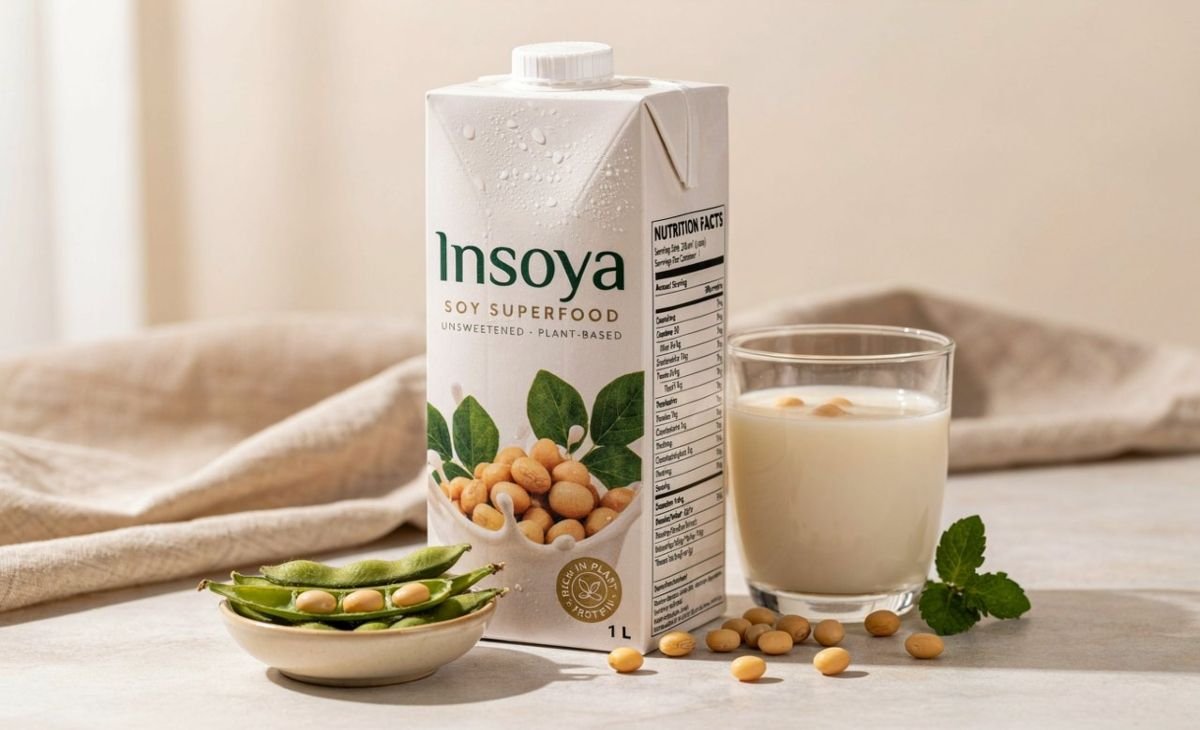
- Soy milk — soy-based liquid, often fortified with calcium and B12 by the manufacturer (check the label for this specifically)
- Miso and natto — traditional fermented soy products, common in Japanese cuisine
Each of these has a specific, checkable identity and nutrition profile — a meaningfully different situation from an undefined term like “insoya.”
Who Should Be Cautious With Soy
Soy allergy is a genuine and sometimes serious concern — anyone with a diagnosed soy allergy should avoid soy-based products entirely, including any product marketed as “insoya,” regardless of how it’s processed. Soy also contains naturally occurring compounds called phytoestrogens; while current research generally doesn’t support significant hormonal disruption from typical dietary soy intake in most people, anyone with specific hormone-related health concerns should discuss soy consumption with a doctor rather than relying on general web content.
How to Evaluate a “New Superfood” Term Like This
A few checks apply here, similar to evaluating any unfamiliar trending food or supplement term:
- Check whether the term has a consistent, agreed-upon definition across independent, credible sources — not just a cluster of similarly structured blog explainers.
- Look for a specific production method. Real food categories (fermentation, pressing, drying) are consistently described; vague or shifting descriptions are a warning sign.
- Verify specific nutrition claims against established nutrition science, particularly for nutrients like B12 that carry real health stakes if someone relies on inaccurate information.
- Read the actual product label if you’re considering a specific branded item — ingredient lists and nutrition panels are more reliable than a generic web explainer.
Final Thoughts
“Insoya” doesn’t appear to be a standardized, consistently defined food product — it’s used inconsistently across current online content to describe fermented soy, textured soy protein, soy flour, and even a general marketing concept, with no shared, verifiable identity behind any of it. Genuine soy nutrition science is solid and worth knowing, but the specific claim that insoya provides vitamin B12 isn’t accurate and shouldn’t be relied on, particularly by readers using soy as part of a vegan diet who need a genuine, verified B12 source. If you’re looking for a soy-based protein, established products like tofu, tempeh, or fortified soy milk (checking the label specifically for added B12) are a more reliable starting point.
FAQs About Insoya
Is Insoya a real, standardized food product?
Not in any consistent sense. Current sources describe it as fermented soy, textured soy protein, soy flour, or a general marketing concept, with no agreed-upon definition or production method.
Does Insoya contain vitamin B12?
Not inherently. Soy products don’t naturally contain meaningful B12; it’s only present if a specific product is fortified, which should be confirmed on that product’s actual label rather than assumed.
Is Insoya the same as tofu or tempeh?
No. Tofu and tempeh are specific, well-documented soy products with consistent production methods. “Insoya” doesn’t have an equivalent, consistent identity across sources.
Is soy generally a good protein source?
Yes. Soy protein is a complete protein containing all nine essential amino acids, and it’s naturally cholesterol-free and low in saturated fat — these facts are well-supported by nutrition science.
Who should avoid soy products, including anything marketed as Insoya?
Anyone with a diagnosed soy allergy should avoid all soy-based products. Anyone with specific hormone-related health concerns should discuss soy intake with a doctor rather than rely on general web content.