Çievri Meaning: Why This “Trending Word” Isn’t Real (And What It’s Actually a Misspelling Of)
Search “çievri” and you’ll find a cluster of confident-sounding “meaning and origin” articles — published across lifestyle blogs, a technology explainer site, and even a Tokyo tourism page — that can’t agree on what the word actually is. Some call it a modern philosophy about growth and balance. Others frame it as a branding term, a cultural identifier, or a concept tied to artificial intelligence. None of them name a specific language with any confidence. That pattern is the clearest sign that çievri isn’t an established word at all — it’s very likely a misspelling of a real Turkish word, çeviri, that’s been picked up and reinterpreted by content built to capture curiosity-driven searches.
The Short Answer
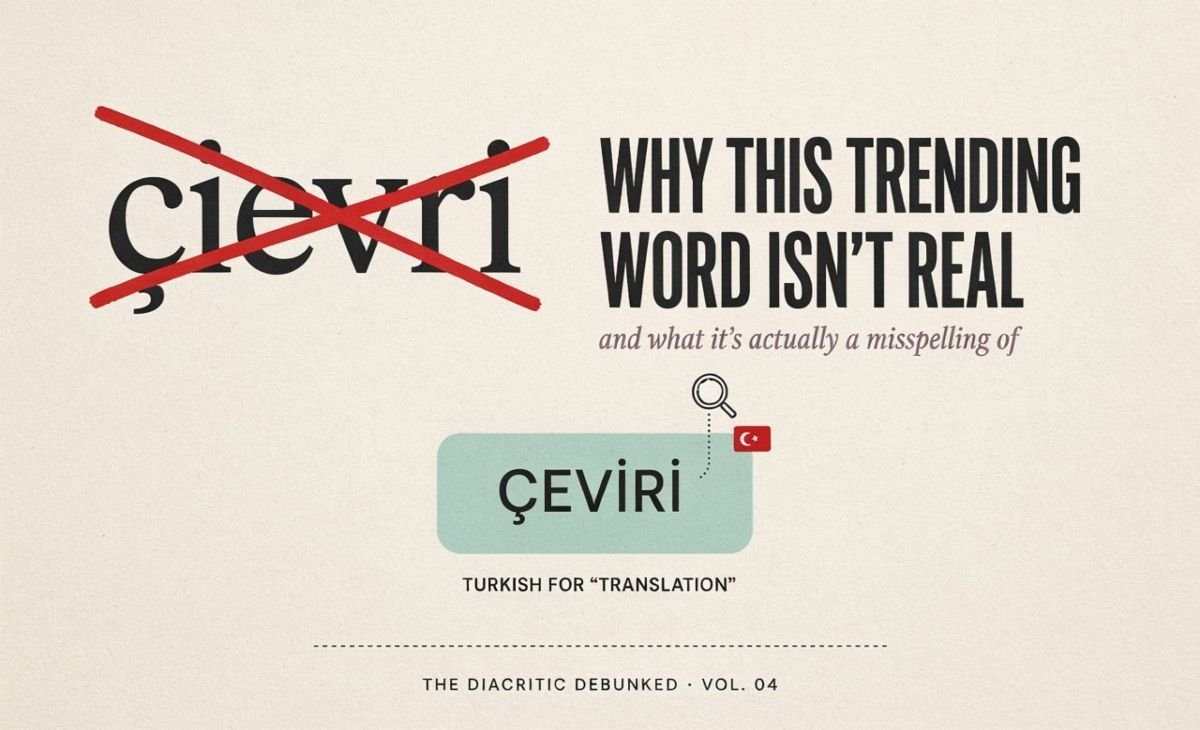
There’s no verifiable evidence that çievri is a genuine, documented word in any language. The articles currently ranking for the term give mutually incompatible definitions — a growth philosophy, a tech concept, a cultural identity term, a Tokyo-linked idea — without naming a consistent source language. The most likely explanation is that çievri is a misspelling or scrambled variant of çeviri, the standard Turkish word for “translation.”
What the Existing “Çievri” Articles Actually Claim
Looking across the articles currently published about this term, the definitions genuinely don’t overlap in any meaningful way:
- One describes it as a “modern idea about connection, balance, change, and growth” tied to technology and mindful living.
- Another frames it as a philosophical concept about cycles and interconnected systems, loosely linking it to Turkic language roots without settling on one.
- One presents it as a branding and creative-identity term suited to “artistic projects” and “online communities.”
- One, published on a Tokyo tourism site, connects it vaguely to “change or translation” with no explanation of why a Tokyo-focused page would be covering a supposedly Turkic-rooted word.
If çievri were a real, established word, this kind of coverage would typically converge on a consistent meaning and origin, even across different types of publications. Instead, each article appears to have generated its own explanation independently, which is a strong indicator that none of them are working from a genuine, verified source.
Why the Inconsistency Matters
A real loanword — a term genuinely borrowed from another language into English usage — usually arrives with a traceable path: a specific cultural export, a news event, a dish, a product, or a practice tied to an identifiable place. Coverage of a genuine loanword names its source language early and consistently, because that context is what makes the word meaningful in the first place.
Çievri shows none of these markers. No dictionary entry exists for it. No specific cultural event or product is tied to it. And the handful of articles discussing it can’t agree on a single plausible source language, let alone a specific meaning within that language.
The Real Word This Likely Comes From: Çeviri
The strongest clue across all of this scattered content is a word that keeps surfacing at the edges: çeviri, a standard, well-documented Turkish word meaning “translation.” A closely related word, çevirmek (“to turn” or “to translate”), and çevre (“surroundings” or “environment”) are also genuine, actively used Turkish words that share the same root letters.
Çievri looks like it could plausibly be a transposition or misspelling of çeviri — the letters are nearly identical, just reordered. This is a common way fabricated or garbled terms end up circulating online: a genuine foreign word gets typed slightly wrong somewhere, and instead of being corrected, that misspelling becomes its own “trending term” that content sites rush to explain, without anyone checking whether the original, correctly spelled word already has a clear, documented meaning.
Why the Letter Ç Is a Clue, Not Proof
The letter ç appears in a specific, limited set of languages — most notably Turkish, Azerbaijani, Albanian, and Portuguese, each with distinct pronunciation rules for that character. Seeing ç in a word is a reasonable hint that it might be Turkish or one of these other languages, but it isn’t confirmation on its own. A genuinely native word from one of these languages typically follows that language’s broader spelling and phonetic patterns consistently, not just borrowing one distinctive letter in isolation.
In çievri’s case, the rest of the letter pattern doesn’t cleanly match standard Turkish phonetic conventions, which further supports the idea that this is a distorted version of an existing word rather than a native term in its own right.
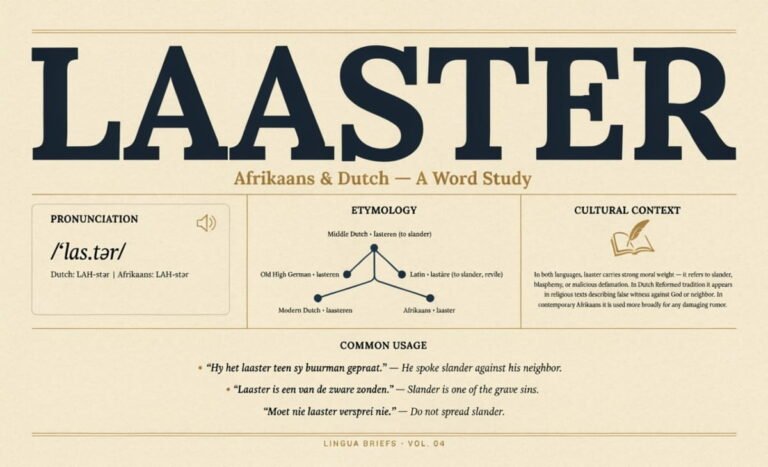
You May Also like this: What Does “Laaster” Mean? The Truth About This Afrikaans/Dutch Term
How to Verify Any Unfamiliar Word Like This
The next time an unusual, foreign-looking word turns up in search results with a confident “meaning and origin” article attached, a few quick checks are more reliable than trusting the article outright:
- Check a dedicated dictionary for the specific language the spelling suggests, rather than relying on a generic English-language explainer.
- Search the term alongside a specific language or country name (“çievri Turkish,” for example) to see whether any genuine, dated usage turns up outside the explainer-article cluster itself.
- Notice whether multiple sources agree on a source language. Genuine loanwords are described consistently; fabricated ones tend to generate a different explanation from every source that covers them.
- Treat scattered, unrelated publishing contexts as a red flag. A word genuinely tied to a specific culture or field usually gets covered by sources connected to that culture or field — not equally by a Tokyo tourism blog, a general lifestyle site, and a technology explainer with no shared thread between them.
Why This Kind of Content Gets Made
An unusual-looking word with a distinctive character like ç creates genuine curiosity, and that curiosity translates into search volume. For content operations working at scale, an invented or misspelled term with no existing authoritative source is actually easier to “rank” for than an established topic, precisely because there’s no real competition from dictionaries, encyclopedias, or subject-matter experts. The result is a cluster of generic, interchangeable “meaning and origin” articles that substitute confident tone for actual verified substance.
Final Thoughts
Çievri doesn’t appear to be a genuine, documented word in any language. The articles currently explaining its “meaning” contradict each other on nearly every point — origin, field, and cultural context — which is exactly the pattern you’d expect from a fabricated or misspelled term rather than a real one. The most plausible explanation is that it’s a distorted version of çeviri, the real Turkish word for “translation.” If you’re genuinely curious about the word, checking a Turkish dictionary directly is a far more reliable path than trusting any of the current explainer content.
FAQs About Çievri
Is çievri a real word?
There’s no verifiable evidence that it is. No dictionary entry exists, and the articles covering it can’t agree on a consistent origin or meaning.
What language does çievri come from?
No article discussing the term names a specific source language with any consistency. The letter ç does appear in Turkish, Azerbaijani, Albanian, and Portuguese, but çievri’s overall spelling doesn’t cleanly match any of these languages’ typical patterns.
What is çievri probably a misspelling of?
The most likely candidate is çeviri, the standard Turkish word for “translation,” along with related words like çevirmek (“to turn/translate”) and çevre (“surroundings”).
Why do so many articles about çievri contradict each other?
Because none appear to be working from a genuine, verified source. Each site seems to have generated its own explanation independently, resulting in incompatible definitions across lifestyle, technology, and tourism content.
How can I check if an unusual word like this is real?
Search a dedicated dictionary for the language its spelling suggests, and be skeptical of any article that describes a word’s “meaning” without naming a specific, consistent source language.