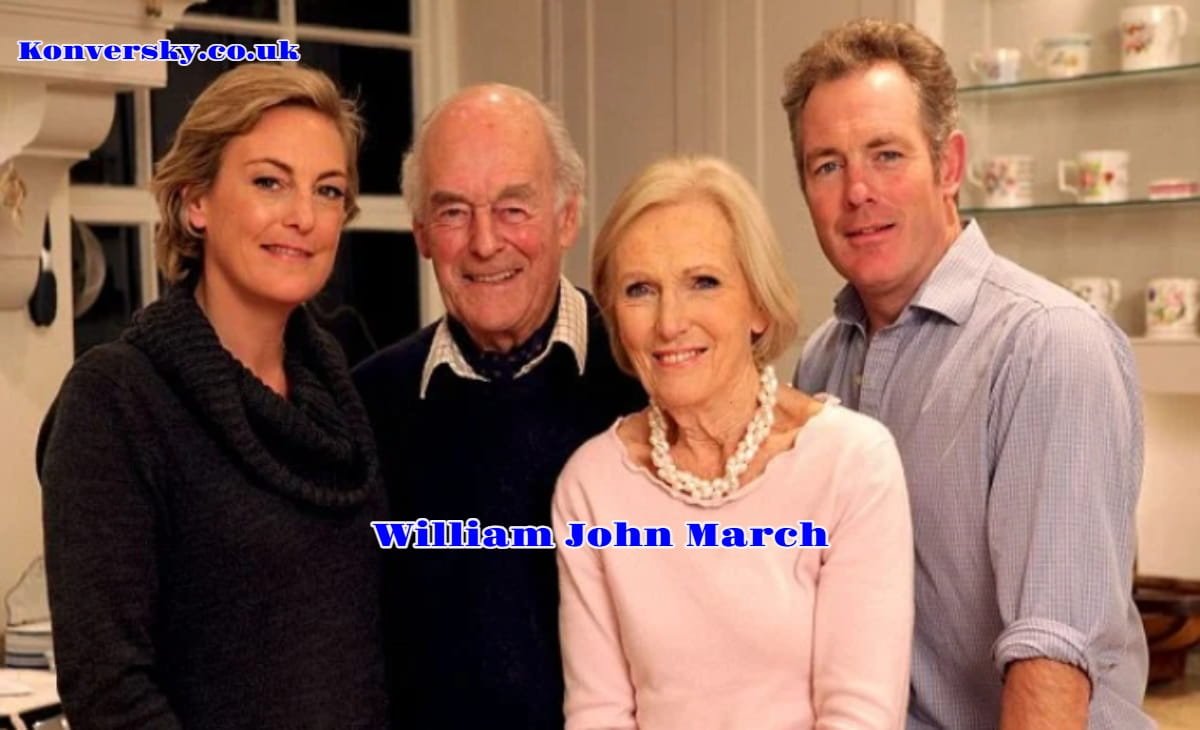
William John March: Life, Works, and Literary Legacy
William John March remains one of the most intriguing literary figures of the twentieth century. Known for his powerful storytelling and psychological depth, his work explored the darker aspects of human nature and the emotional toll of war. Although he produced only a limited number of books, his influence on modern literature remains significant.
His writing combines realism with deep psychological insight, making it both disturbing and fascinating for readers. Even today, literary critics continue to study his work for its themes, narrative style, and exploration of morality.
BIO Summary
| Fact | Detail |
| Name | William John March |
| Age | 19 (at time of passing) |
| Birth Year | 1969 |
| Nationality | British |
| Profession | Student |
| Net Worth | Not applicable |
| Marital Status | Unmarried |
| Children | None |
| Famous For | Son of Mary Berry |
| Birthplace | United Kingdom |
Early Life of William John March
William John March was born on October 18, 1893, in the southern United States. His birth name was William Edward Campbell, though he later adopted the pen name by which he became widely known.
He grew up in a modest environment where financial limitations shaped his early years. Despite limited educational opportunities, he developed a strong interest in reading and storytelling. These early influences later became visible in the emotional realism and psychological depth that defined his writing style.
You May Also like this: Claire Pearsall: Age, Husband, Career, Education, and Personal Life
Military Experience and Its Influence
A defining influence on William John March’s work was his experience during World War I. He served in the United States Marine Corps and witnessed the harsh realities of war firsthand.
The psychological impact of combat deeply affected him. Instead of glorifying war, his writing focuses on the emotional trauma, fear, and moral confusion experienced by soldiers. His stories present war as a human tragedy rather than a heroic adventure, offering readers a raw and honest perspective.
Literary Career and Breakthrough
William John March began publishing short stories in the 1920s, gradually gaining attention through literary magazines. His major breakthrough came with the publication of Company K in 1933.
This novel stood out for its unique structure, presenting the experiences of war through multiple voices of soldiers. Rather than focusing on heroism, it explored guilt, fear, and psychological distress. Critics praised the novel for its realism and innovative narrative style, and it is now considered one of the most important anti-war novels of its time.
Writing Style and Themes
The writing style of William John March is often described as psychological, intense, and morally complex. His work avoids simple character portrayals and instead focuses on internal struggles and emotional conflict.
Common themes in his writing include violence, innocence, and the darker side of human nature. His characters often face moral dilemmas and internal battles, which makes his stories deeply engaging and thought-provoking.
The Success of The Bad Seed
Another major milestone in his career was the publication of The Bad Seed. This novel explored the unsettling idea that evil could exist within a child.
The story follows a young girl whose innocent appearance hides a disturbing personality. The novel attracted widespread attention because of its psychological theme and the question it raised about whether evil is inherited or learned.
Adaptations and Cultural Impact
The success of The Bad Seed extended beyond literature. It was adapted into a stage play and later into the film The Bad Seed.
These adaptations introduced March’s ideas to a wider audience. The concept of the “evil child” became a lasting theme in psychological thrillers and horror stories, influencing many later works in both film and literature.
Other Literary Contributions
Although William John March is best known for Company K and The Bad Seed, he also wrote several other works.
His novels include Come in at the Door and Trial Balance, along with numerous short stories published in literary magazines. These works explored themes such as family relationships, morality, and emotional struggle.
Even though they were less commercially successful, they remain valuable contributions to American literature.
You May Also like this: Irita Marriott: Antiques Expert, Auctioneer, and Television Personality
Legacy and Recognition
William John March passed away in 1954, shortly before The Bad Seed achieved widespread success. Despite his relatively small body of work, his influence remains significant.
His ability to explore complex and often uncomfortable themes with honesty continues to earn him recognition among literary scholars. His works are still studied in universities and discussed in literary circles.
Importance in Modern Literature
The literary legacy of William John March continues to influence modern storytelling. His exploration of psychological conflict and moral ambiguity helped shape contemporary fiction.
Writers of psychological and war literature often draw inspiration from his themes and narrative style. His work remains relevant for readers interested in understanding the deeper aspects of human nature.
Final Words
William John March remains a fascinating figure in literary history. Through his novels and short stories, he explored themes that many writers avoided, including psychological trauma and moral uncertainty.
Even decades after his death, his work continues to influence literature and attract readers. His stories offer a powerful and lasting insight into the complexities of human behavior and the realities of war.
FAQs
Who was William John March?
He was an American novelist known for psychological fiction and anti-war themes.
What is William John March famous for?
He is best known for Company K and The Bad Seed.
Did he serve in the military?
Yes, he served in the United States Marine Corps during World War I.
What themes did he explore?
His work focused on psychological conflict, war trauma, and moral complexity.
Why is he important in literature?
He helped shape modern psychological and anti-war storytelling through his unique narrative style.