Mark Wadhwa: The Visionary Behind London’s Cultural Real Estate Revolution
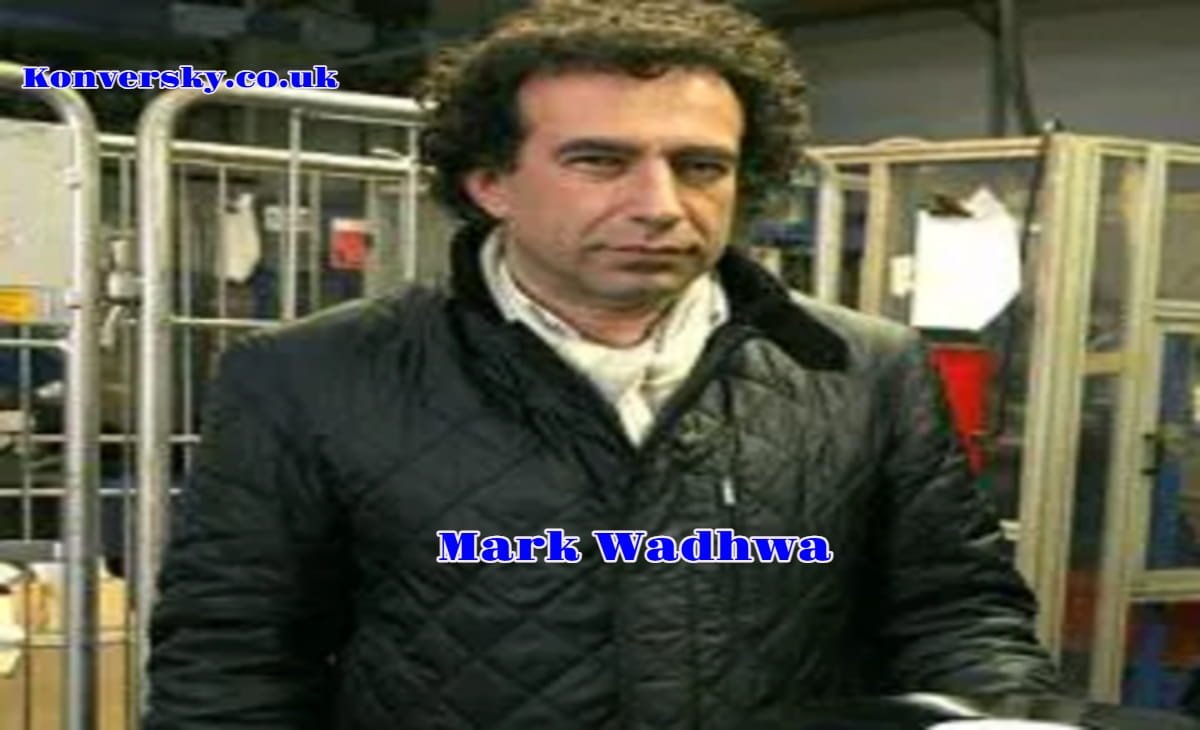
Mark Wadhwa is a British entrepreneur known for blending property development with cultural innovation. Rather than focusing purely on commercial returns, he has built a reputation for transforming overlooked urban spaces into thriving creative ecosystems.
Through ventures like The Vinyl Factory and 180 The Strand, Wadhwa has reshaped parts of London’s cultural and architectural identity. His approach combines long-term investment strategy with artistic collaboration, creating spaces that are both financially sustainable and culturally significant.
Quick Bio
| Key Detail | Information |
| Full Name | Mark Wadhwa |
| Birth Year | 1961 |
| Nationality | British |
| Ethnicity | Anglo-Indian (Punjabi heritage) |
| Profession | Entrepreneur & Property Developer |
| Known For | The Vinyl Factory, 180 The Strand |
| Spouse | Alex Eagle |
| Active Since | Late 1990s |
Mark Wadhwa’s Business Philosophy
Integrating Culture with Commerce
Mark Wadhwa stands apart from traditional developers because he sees buildings as cultural platforms rather than simple real estate assets. His projects are curated environments where art, music, fashion, and technology intersect.
Instead of short-term asset flipping, he invests in properties that can evolve into long-term cultural landmarks. His developments often host exhibitions, performances, digital studios, and creative offices — transforming space into experience.
Long-Term Vision Over Immediate Profit
Wadhwa’s strategy reflects patience. His redevelopment of 180 The Strand began over a decade ago and continues to grow in cultural significance. By maintaining ownership and nurturing creative tenants, he has created ecosystems rather than temporary trends.
You May Also like this: Ged Mason: The Visionary Leader Behind Morson Group’s Global Success
180 The Strand: Reinventing Brutalist Architecture
From Overlooked Building to Cultural Hub
Originally a 1970s Brutalist structure, 180 The Strand once lacked clear identity. Mark Wadhwa acquired the property in 2012 with a bold vision — to transform it into a multidisciplinary creative center.
Today, the building hosts fashion shows, immersive art exhibitions, tech events, and global brand collaborations. It has become a symbol of how adaptive reuse can breathe new life into aging architecture.
A Magnet for Global Brands and Creators
The space has attracted influential organizations and creatives, including fashion houses, digital platforms, and contemporary artists. Its success demonstrates Wadhwa’s ability to curate tenants who elevate both the building and the broader cultural conversation in London.
The Vinyl Factory: Preserving Analog Heritage
Reviving EMI’s Historic Pressing Plant
Before 180 The Strand, Mark Wadhwa gained attention for saving EMI’s vinyl pressing plant in Hayes. Rather than allowing it to close, he purchased and revitalized the facility under The Vinyl Factory brand.
At a time when vinyl demand was resurging, this move proved both culturally meaningful and commercially strategic. The plant now produces millions of records annually for global artists.
Merging Music, Art, and Business
The Vinyl Factory extends beyond manufacturing. It collaborates with artists and designers to produce limited-edition records and multimedia projects. Many of these creative initiatives connect back to events at 180 The Strand, reinforcing Wadhwa’s integrated ecosystem model.
Personal Life and Leadership Approach
Family and Creative Partnership
Mark Wadhwa is married to Alex Eagle, a respected creative director and founder of her own design studio. Their partnership reflects shared values — blending aesthetics with entrepreneurship.
While Wadhwa focuses on infrastructure and development, Eagle contributes expertise in fashion, curation, and branding. Together, they influence London’s contemporary creative landscape.
Leadership with Purpose
Wadhwa maintains a relatively low public profile. He is known for empowering collaborators and prioritizing long-term relationships. His leadership style centers on sustainable growth and cultural relevance rather than publicity.
You May Also like this: Brandon Richardson Harlington: A Rising Young Innovator in AI
Latest Developments and Ongoing Impact
As of 2025, Mark Wadhwa continues to expand his influence within London’s cultural real estate scene. 180 The Strand remains a flagship destination for international exhibitions and creative enterprises.
His development philosophy — embedding culture into property — has inspired urban planners and developers seeking alternatives to purely commercial construction. In an era when cities risk losing identity to generic development, Wadhwa’s model offers a blueprint for meaningful regeneration.
Final Thoughts
Mark Wadhwa represents a rare blend of business strategist and cultural advocate. Through The Vinyl Factory and 180 The Strand, he has demonstrated that real estate can serve both economic and artistic purposes.
His projects preserve heritage while encouraging innovation. They generate revenue while nurturing creativity. And they stand as examples of how thoughtful development can reshape not only buildings — but entire communities.
In London’s ever-evolving cultural landscape, Mark Wadhwa’s influence continues to grow.
Frequently Asked Questions (FAQ)
Who is Mark Wadhwa?
Mark Wadhwa is a British entrepreneur known for cultural property development projects such as The Vinyl Factory and 180 The Strand.
What is Mark Wadhwa’s most famous project?
He is best known for transforming 180 The Strand into a global creative and cultural hub.
Is Mark Wadhwa still active?
Yes, he remains active in cultural real estate and creative development as of 2025.
Who is Mark Wadhwa married to?
He is married to Alex Eagle, a fashion and design entrepreneur.
What makes Mark Wadhwa unique?
His ability to combine commercial real estate with cultural programming distinguishes him from traditional developers.