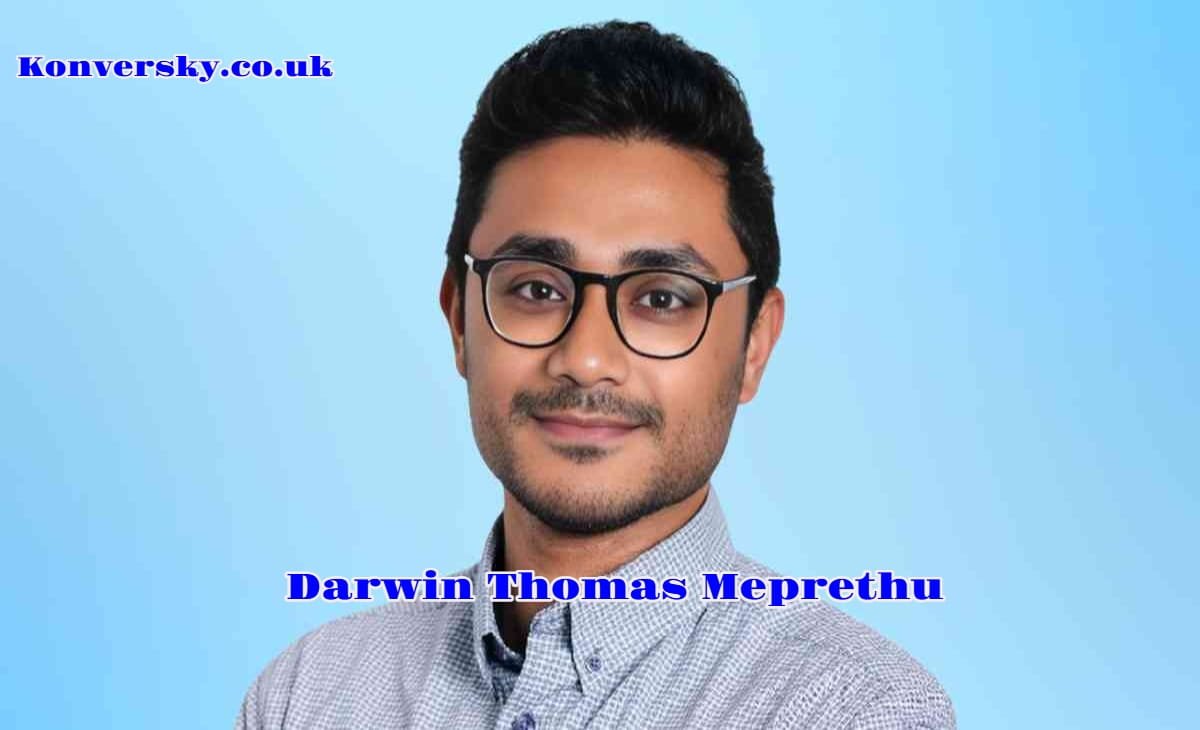
Darwin Thomas Meprethu: Civil Engineer, Research Enthusiast, and Advocate for Skilled Migrants
Darwin Thomas Meprethu is gradually becoming known within both engineering and policy discussions in the United Kingdom. Trained as a civil engineer and currently working in infrastructure development, he has combined technical expertise with active civic participation.
Originally from Kerala, Darwin’s journey—from engineering education in India to professional work in international infrastructure projects and eventually the UK—illustrates the pathway many skilled professionals take when contributing to global engineering sectors. Beyond his technical career, he has also attracted attention for his public advocacy regarding immigration policy affecting skilled workers.
This article explores his educational background, professional career, technical interests, public advocacy, and the influence he has begun to develop within the engineering and migrant professional communities.
Early Life and Educational Background
Darwin Thomas Meprethu was born and raised in Kerala, a region widely recognised for producing highly skilled professionals in science and engineering fields.
His formal engineering journey began at Amal Jyothi College of Engineering, where he studied Civil Engineering and graduated with a Bachelor of Technology degree in 2018. During his undergraduate years, he built a strong academic foundation in key civil engineering disciplines, including structural design, soil mechanics, fluid dynamics, and concrete technology.
Seeking international exposure and advanced knowledge, Darwin moved to the United Kingdom to pursue postgraduate studies at University of Greenwich. His master’s programme allowed him to specialise in modern infrastructure topics such as drainage engineering, hydrology, and sustainable urban development.
The experience broadened his perspective on environmental engineering and reinforced his interest in designing infrastructure systems that balance efficiency with environmental responsibility.
You May Also like this: Jeroen Dik: A Visionary Force in Art, Automotive and Creative Engineering
Professional Career: Engineering with Real-World Impact
After completing his education, Darwin began building practical engineering experience through international projects.
One of his early professional roles was with Meinhardt Group in Qatar, where he worked as a graduate civil engineer. This role provided exposure to large-scale infrastructure development and the challenges of designing systems for rapidly expanding cities.
Working in the Middle East introduced him to complex engineering conditions, including high temperatures, desert environments, and accelerated urban growth. These experiences strengthened his technical skills and ability to work within multinational project teams.
Later, Darwin moved to the United Kingdom and joined AtkinsRéalis, previously known as Atkins. In this position, he contributes to projects related to flood risk assessment and drainage design.
His work focuses on improving urban resilience against flooding, a growing concern in the UK due to climate change and expanding urban populations. Responsibilities in this role often include hydrological modelling, stormwater management planning, and designing sustainable drainage systems for new developments.
Research Interests and Technical Engagement
Alongside his professional work, Darwin maintains an active interest in technical research and academic discussions related to environmental engineering.
His areas of interest extend to the study of adsorption technologies and the sustainability of filtration systems used in water treatment. Through academic platforms such as ResearchGate, he has engaged in discussions about improving the lifecycle and regeneration of adsorbent materials.
For example, he has explored how materials used in filtration systems might be regenerated through chemical or saline treatments rather than discarded after a single use. Such approaches could reduce waste and improve sustainability in environmental engineering practices.
These research interests demonstrate his commitment to developing long-term solutions that align engineering efficiency with environmental protection.
Advocacy and Petition for Skilled Migrant Rights
A defining moment in Darwin’s public visibility occurred when he became actively involved in discussions surrounding UK immigration policy for skilled professionals.
In 2024, the UK government proposed adjustments to immigration regulations affecting the pathway to permanent residency—commonly known as Indefinite Leave to Remain (ILR). The proposal included extending the qualifying period for some visa holders.
Concerned about how these changes might affect existing skilled workers who had planned their futures based on previous rules, Darwin Thomas Meprethu launched a petition through the UK Parliament website.
The petition called for maintaining the five-year residency pathway for individuals already working in the UK under skilled worker visas. Within a short period, the campaign gathered tens of thousands of signatures from professionals across multiple industries.
His initiative highlighted the concerns of migrant professionals who felt that sudden policy changes could disrupt long-term career and family planning.
Bridging Engineering Expertise with Civic Responsibility
What makes Darwin’s story distinctive is the combination of technical expertise and civic awareness. While many engineers focus exclusively on technical work, he has demonstrated a willingness to engage with broader social and policy issues affecting professional communities.
His advocacy reflects values such as fairness, transparency, and stability in governance systems. By participating in democratic processes, he showed how professionals can raise concerns respectfully and constructively.
This ability to connect technical knowledge with civic participation reflects the growing role of engineers not only as designers of infrastructure but also as contributors to public policy discussions.
Impact and Future Prospects
Although still in the early stages of his professional career, Darwin Thomas Meprethu has already demonstrated strong potential for long-term influence.
Within the engineering sector, his expertise in drainage and flood risk management positions him in a field that will become increasingly important as cities adapt to climate challenges.
Possible future directions in his career may include:
- Leadership roles in engineering consultancy
- Research contributions to sustainable infrastructure
- Participation in policy advisory groups related to migration or engineering development
The combination of international experience, technical skill, and public engagement makes him well suited for both engineering leadership and broader policy involvement.
You May Also like this: Alys Denby: Career, Journalism Influence, and Media Presence Explained
Recognition and Public Perception
Among professional communities, Darwin is generally viewed as a thoughtful and responsible engineer who approaches both technical and social issues with careful consideration.
Support for his petition reflected the respect he has gained within migrant professional networks. Many individuals saw his initiative as an example of constructive engagement with government institutions rather than confrontational activism.
His growing visibility highlights the importance of informed dialogue in shaping public conversations about immigration policy and professional contributions to society.
Final Words
Darwin Thomas Meprethu represents a modern example of a globally trained professional contributing to both infrastructure development and civic discourse.
From his academic beginnings in Kerala to his engineering work in international projects and the United Kingdom, his career reflects dedication to technical excellence and responsible engagement with society.
By combining engineering expertise with thoughtful advocacy, Darwin demonstrates that modern professionals can play meaningful roles not only in building infrastructure but also in shaping fair and transparent systems for the communities they serve.